BIO 102 MENU
syllabus 
1 - origin
2 - biomol.
3 - biomol2
4 - viruses
5 - prokaryon
6 - endosym
7 - eukaryon
8 - energy
9 - mitosis
10 - meiosis
11 - reprod
12 - genetics
13 - humgene
14 - humge2
15 - evolution
16 - evolutio2
17 - diversity
18 - diversi2
19 - tissues
20 -digestive
21 - respirat
22 - circul
23 - excret
24 - endocr
25 - receptors
26 - nervsys
Quizzes
Bio 103 Lab
(full title of lecture appears in status bar on the top or at the bottom of your window)





Biology 102 - General Biology
Viruses
Viruses are the simplest living organisms. Even though they are the simplest, they were not the first forms of life, at least not the present day viruses. Viruses are obligate intracellular parasites and cannot replicate outside of a living cell. Every type of organism has viruses which parasitize them. Bacteria have viruses, we have viruses, fungi have viruses, plants have viruses....as far as we know all living things have viruses. Viruses are composed of two of the biomolecules we have learned about. They are composed of a nucleic acid, either DNA or RNA, and proteins. Very simple viruses like the tobacco mosaic viruses that infect tobacco leaves, are composed of RNA and a single type of protein. The nucleic acid serves as their genetic material and contains enough information to enter the cell, replicate new viruses and escape the cell. The protein coat protects the nucleic acid and is instrumental in gaining access to the cell it infects. Viruses have no metabolism of their own and rely on the cell they infect to do all their work for them in constructing new viruses.
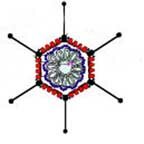
There are many kinds of viruses, some of them are fancy and some are very simple. The ones that infect bacteria are called bacteriophage (meaning bacteria eaters). They are often quite complex and may have many different proteins to help them get their genetic material (nucleic acid) past the thick bacterial cell wall and into the cell. Some of them have a protein in their stalk which can contract, just like the protein myosin in your muscles. The contraction of the stalk then acts like a syringe to inject the viral DNA into the host bacterial cell. Viruses and virus like particles called episomes are responsible for transferring antibiotic resistance from one bacterium to another. Sometimes viruses pick up a piece of the host cell DNA instead of their own and, in that way, carry genes from one bacterium to another (a process known as transfection). If the host bacterium is resistant to an antibiotic, the genes for resistance can be picked up by the virus and taken to another bacterium who will then acquire resistance to the antibiotic.
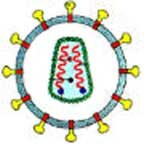
Antibiotics are middle-sized organic molecules which interfere with (prokaryotic) cellular metabolism. They are produced by other microorganisms to kill off their competitors. Fungi and bacteria are always competing for the same food sources. So they have come up with chemicals for biological warfare to get rid of competitors. Penicillin which was the first antibiotic used, came from a bread mold which is a fungus. Of course, modifications to these original antibiotics have been made in the laboratory so that we now have a wide variety. However, because of the misuse of antibiotics many of them are no longer effective because bacteria have acquired resistance to their action. The resistance is due to mutations in the disease causing bacteria which allow them to circumvent the action of the antibiotic. The antibiotic resistance genes can be transferred to other bacteria via episomes/plasmids. Plasmids are small circular DNA molecules that replicate within the bacterial cell just as a virus does.
Often when a person uses antibiotics normal bacteria in the body are also killed. When this happens, the fungi that are always around have no competition and the person experiences an overgrowth of the fungal cells. This is why women often get yeast infections after taking antibiotics for a bladder infection. Incidentally, bladder infections are often caused by the woman's own normal bacteria being forced into the urethra during sexual intercourse. Drinking water prior to intercourse and urinating afterward to remove any bacteria in the urethra can prevent bladder infections. Some people who have taken antibiotics get a black tongue due to fungus in the mouth that overgrow when they no longer have the normal bacterial competition. This is a temporary phenomenon since the normal bacteria will soon repopulate the body when the antibiotics are discontinued.
It is very important to remember that antibiotics DO NOT work against VIRUSES. Antibiotics only work against bacteria. COLDS AND FLU ARE CAUSED BY VIRUSES, NOT BACTERIA. THEREFORE, ANTIBIOTICS CANNOT CURE COLDS OR THE FLU. While antiviral agents may be developed in the future, they are not generally available. It is your immune system and your ANTIBODIES that will help you fight off the colds and flu. So you need to keep your body in excellent condition with proper diet, proper relaxation, and proper exercise. If you are given antibiotics to fight off a bacterial infection, it is extremely important to take the medication as directed. You must take all the pills given to you, do not stop taking the antibiotic even though you may feel better. Stopping the medication prior to using the entire prescription allows the bacteria that are resistant to the drug to survive. This is one of the ways in which antibiotic resistant strains arise.

An antibody (protein) molecule (not to scale)
The only defense you have against viruses is your immune system. Viruses have proteins on their surface by which they enter your cell. (Some animal viruses take along a portion of the cell membrane when they leave your cells, too.) Some of the viral proteins attach to protein receptors in your cell membranes. Viral proteins are recognized as foreign by your immune system. The immune system contains white blood cells called T and B cells which make and secrete antibodies (proteins) to fight foreign molecules (including allergens), cells, and viruses. These foreign molecules, etc., are referred to as antigens. Antibodies are specific for each different antigen. And each antigen can stimulate the production of a number of different antibodies. The molecules on the surface of the invading cells or viruses are antigenic. The antibody molecules made by the T or B cells are composed of four polypeptide chains and the overall configuration resembles the shape of a Y. The tips of the two arms of the Y are the portions of the antibody that specifically attach to the antigen. Each T or B cell makes a different antibody. Each protein of the virus has many portions to its surface so many antibodies can be made to the same virus. When a virus invades your body or you are given a vaccine, your T and B cells recognize the virus or vaccine as foreign and begin making a variety of antibodies to capture (combine with) the proteins on the surface of the foreign cell or virus. The antibody molecules attach to the invaders and tag them for destruction by other members of your immune response team.
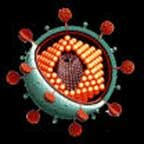
Vaccines are injections given to you to prevent a viral or other pathogen induced illness. The vaccine mimics the pathogen. Vaccines therefore may consist of just the viral protein coat (some flu vaccines), or they may be heat-killed viruses (the Salk polio vaccine) which can no longer replicate or a vaccine may be an "attenuated" live virus strain (Sabin polio vaccine). Attenuated viruses are those which have been grown in cell culture in the laboratory until they have mutated and can no longer cause the disease but they still have the same proteins as the virulent strain. Some of the antibody forming cells stimulated by the vaccine, are "memory" cells and when the "real" virus comes along, they are prepared to produce antibodies immediately to fight the infection. Vaccines can be developed to protect you from certain viral diseases but not all. Some viruses mutate very quickly and change their protein coats, making it difficult to develop vaccines for them. HIV is especially insidious because it specifically attacks the immune system.
Examples of human diseases caused by specific viruses include DNA viruses: papilloma causes warts; adenoviruses cause respiratory infections; herpes viruses cause fever blisters, chickenpox, shingles, mononucleosis, and genital blisters (after an infection, herpes viruses can hide in your cells for the remainder of your life); pox virus cause smallpox; hepatitis B; polio virus; and the rhino viruses (the latter are the most common cause of colds). We also have RNA viruses: influenza; measles; mumps; corona viruses also cause colds; hepatitis A and HIV (Human Immunodeficiency Virus) that causes AIDS (Acquired Immune Deficiency Syndrome). HIV is a retrovirus; retroviruses after entering your cells make a copy of DNA from their RNA using an enzyme, reverse transcriptase, the DNA is then inserted into your DNA and replicates along with your DNA.
Scientists who initiated the field of molecular biology worked primarily on viruses since they are the simplest form of life. Viruses have also proven useful in the advances made in the field. Reverse transcriptase is used to make DNA from mRNA (messenger RNA) which has helped to find the genes of organisms. Another use of viruses is as a vector to introduce genes into cells which have a missing or altered gene which does not function. This type of gene therapy is used to correct certain genetic disorders.
Viruses can only be seen with the aid of an electron microscope since they are too small to be seen in a light microscope.
